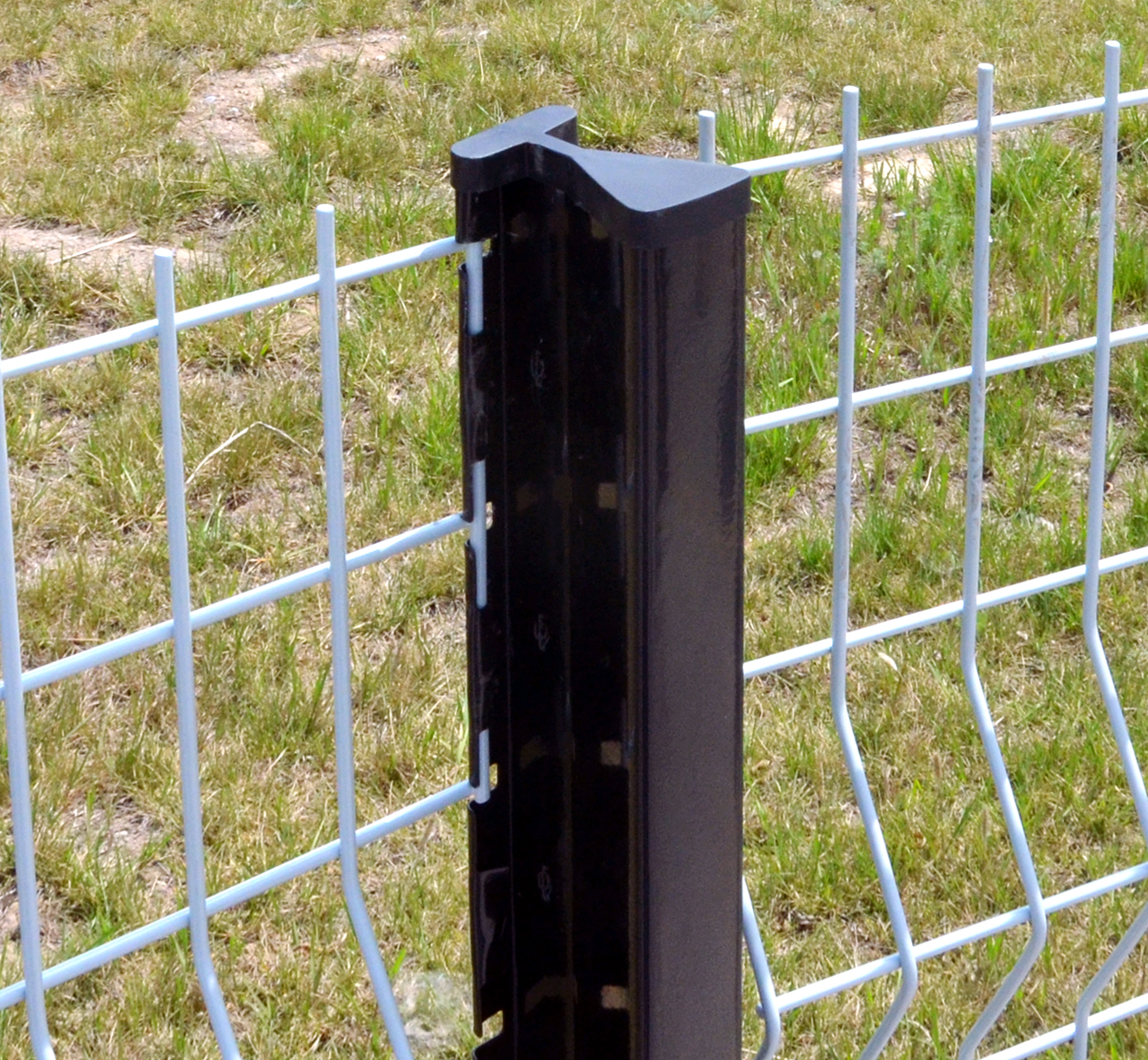
Installing a Post Fence A Comprehensive Guide When it comes to enhancing the aesthetics of your property and providing a functional boundary, installing a post fence is an excellent choice. Post fences can serve many purposes, including marking property lines, providing privacy, keeping pets safe, and adding visual appeal to your landscape. In this guide, we’ll walk you through the steps necessary to install a post fence efficiently and effectively. Step 1 Planning Your Fence Before you begin, it's crucial to plan out your fence. Start by deciding on the location, style, and dimensions. Consider local building codes and homeowners’ association regulations, which may dictate certain heights, materials, or styles. Mark the corners and points of your fence line using stakes and string, ensuring that it will flow smoothly with your landscape. Step 2 Gathering Supplies Once you have your plan in place, gather the necessary supplies. You will need - Fence posts (wood, vinyl, or metal depending on your preference) - Rails (if applicable) - Fencing material (panels, chain link, etc.) - Concrete mix (to secure the posts) - Gravel (for drainage) - Level, measuring tape, and a string line - Tools like a post hole digger, shovel, and saw Step 3 Digging the Post Holes Using a post hole digger or auger, start digging holes for your fence posts. The depth of each hole typically should be about one-third the height of the post above ground. For example, if you want a 6-foot tall fence, your holes should be approximately 2 feet deep. This will provide stability and support for your fence. Space your holes according to the type of fence you’ve chosen. If you’re installing panels, posts are usually spaced 6 to 8 feet apart. For chain link or other types, follow the manufacturer’s recommendations. Step 4 Setting the Posts installing t post fence With the holes dug, it’s time to set your posts. Place a post into each hole, ensuring it is straight and aligned with your string line. Use a level to check that each post is vertically plumb. Fill the holes with gravel for drainage and then add concrete mix according to the manufacturer’s instructions. Allow the concrete to cure for at least 24 to 48 hours before proceeding to the next step. Step 5 Adding Rails (if applicable) For certain types of fencing, especially panels, you may need to install horizontal rails between the posts. Measure and cut the rails to fit snugly and attach them securely using screws or brackets. Ensure everything is level before finally fastening the rails in place. Step 6 Attaching the Fencing Material After the posts and rails are securely in place, it’s time to attach the fencing material. If you’re working with pre-made panels, simply lift each panel into place and secure it with screws. For chain link fences, unroll the material along the posts, attaching the chain link to the posts using ties or brackets as needed. Stretch it taut to avoid sagging. Step 7 Finishing Touches Finally, inspect your work and make any necessary adjustments. If you're finished with wooden fencing, consider applying a protective sealant or paint to enhance its lifespan and appearance. For chain link fences, you might want to add custom gate options or landscaping elements nearby to soften the harshness of the metal. Step 8 Maintenance After installing your post fence, the work isn’t done. Regular maintenance is key to ensuring its longevity. Inspect your fence periodically for any signs of wear or damage. For wooden fences, keep an eye out for rot or splintering. Repaint or reseal as necessary, and trim back any vegetation that may encroach on the fence's line. Conclusion Installing a post fence may seem like a daunting task, but with careful planning and the right tools, it can be a rewarding DIY project. Not only does it enhance the visual appeal of your property, but it also adds functionality. Following these steps will help ensure your fence is sturdy, stylish, and built to last for years to come. Happy fencing!